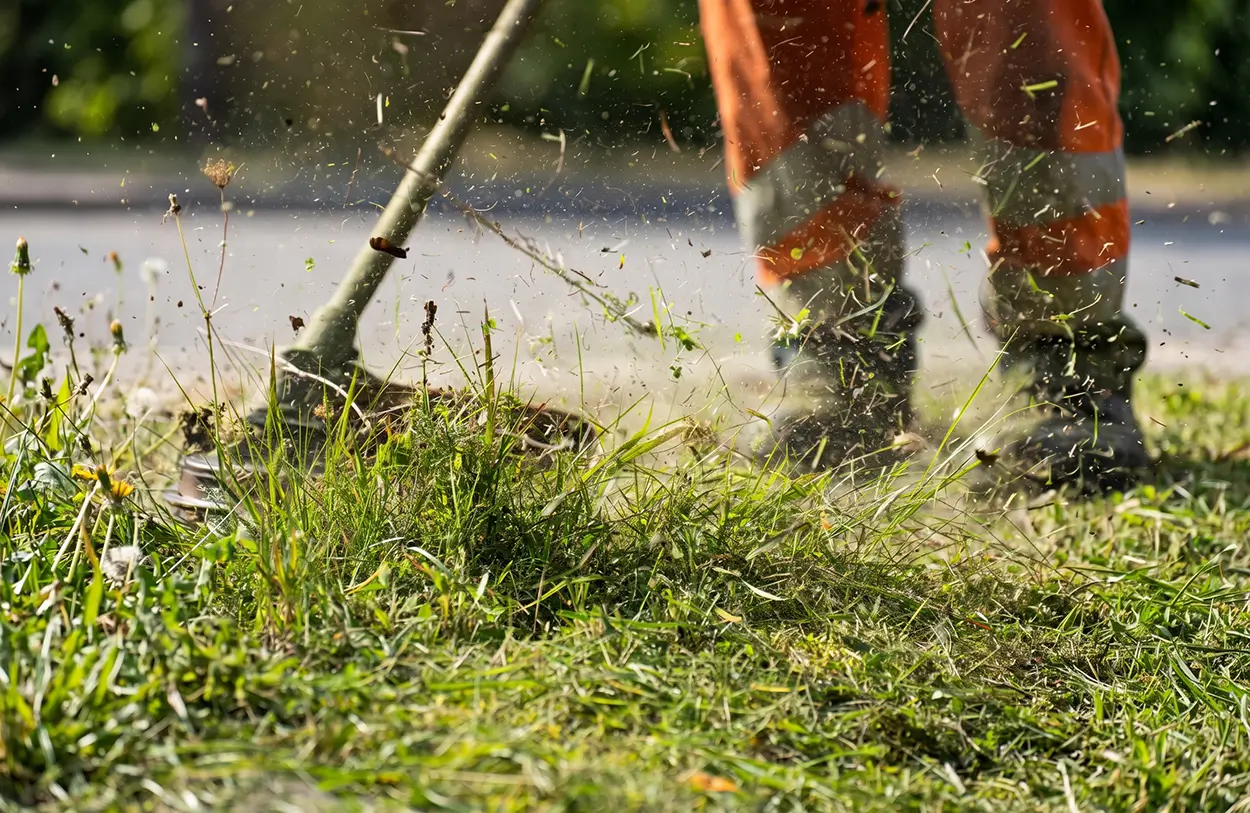
Running a landscaping business involves much more than mowing lawns and maintaining flower beds. Depending on the company, landscapers may operate trucks and trailers, use expensive equipment, install irrigation systems, construct retaining walls, apply chemicals, perform tree work, employ crews, or manage large residential and commercial properties.
Each of those services introduces different risks, which is why Landscaping Business Insurance in Texas should not begin with a generic quote or a standard list of coverages. It should begin with understanding what your landscaping company actually does.
At The Koch Insurance Group, that is where we start. We want to understand your services, employees, equipment, vehicles, contracts, subcontractors, and how your business operates from one jobsite to the next. From there, we can identify potential exposures and discuss the commercial insurance options that may make sense for your operation.
Having insurance is one thing. Making sure it reflects the landscaping business you are actually running is another.
What Insurance Does a Landscaping Business Need?
There is no single insurance policy that automatically covers every landscaping company. A small lawn care business operating one truck has very different exposures from a landscaping contractor managing multiple crews, commercial properties, irrigation installations, hardscaping projects, and expensive equipment.
Depending on the operation, landscaping business insurance may include General Liability Insurance, Commercial Auto Insurance, Workers’ Compensation Insurance, Commercial Property Insurance, coverage for tools and equipment, and additional liability protection. Specialized coverage may also need to be considered depending on the services the company performs.
The important part is determining which risks actually apply to your business rather than purchasing insurance based solely on what another landscaping company carries.
General Liability Insurance for Landscapers
General Liability Insurance for landscaping businesses is often an important part of a commercial insurance program because landscapers regularly perform work on property belonging to someone else.
Consider how easily an ordinary workday can create a potential claim. A mower could throw a rock through a customer’s window, equipment could damage a fence or another part of the property, or a customer or visitor could be injured around an active work area.
General Liability Insurance may help address certain covered third-party bodily injury and property damage claims, subject to the policy’s terms, conditions, limits, and exclusions.
However, carrying General Liability Insurance does not mean everything your landscaping company does is automatically covered. The services you perform need to be accurately represented when the insurance program is structured.
The Services Your Landscaping Company Provides Matter
This is where landscaping insurance can become more complicated because “landscaping” can mean many different things.
One company may provide basic mowing, edging, and lawn maintenance, while another may install irrigation systems, construct retaining walls, perform drainage work, apply pesticides or herbicides, provide tree services, install outdoor lighting, or complete larger landscape construction projects. OSHA itself recognizes landscaping and horticultural services as encompassing activities ranging from landscape maintenance and irrigation to hardscape construction and tree care.
Those differences matter when your insurance is being evaluated.
If your landscaping company has expanded its services since your policy was originally written, your coverage should be reviewed. Do not assume that because your policy says “landscaping,” every new service your company begins offering is automatically contemplated by the policy.
Tell your insurance advisor what you actually do. The more accurately we understand the operation, the better we can evaluate whether the insurance aligns with it.
Commercial Auto Insurance for Landscaping Companies
Vehicles are another major part of the landscaping business. Trucks may pull trailers loaded with zero-turn mowers, trimmers, blowers, fuel, tools, and other equipment, while employees may travel between multiple jobsites every day, pick up materials, visit suppliers, or travel to customer properties.
That creates a business exposure before anyone even unloads the equipment.
Commercial Auto Insurance for landscaping companies can help address covered accidents involving vehicles insured for business use. The appropriate insurance depends on factors such as who owns the vehicles, who drives them, how they are used, and what is being transported.
Landscaping companies should also consider whether employees ever use personal vehicles for company business. An employee might run to a supplier for a replacement part, pick up materials, or perform another errand for the company. Those situations should be discussed with your insurance advisor because they may create exposures involving vehicles the business does not own.
Do not assume that a personal auto policy and your commercial insurance automatically work together the way you expect.
What Happens to Your Trailer, Mowers, Tools, and Equipment?
For many landscaping businesses, a substantial amount of money is sitting on a trailer every morning.
Mowers, blowers, trimmers, chainsaws, generators, hand tools, and specialized equipment can add up quickly. Larger landscaping companies may have considerably more invested in skid steers, mini excavators, trenchers, and other machinery.
The question is not simply whether you own the equipment. The question is how and where it is insured.
Your equipment may spend most of the day moving between customer locations rather than sitting at your shop. That means your insurance review should consider how your tools and equipment are stored, transported, and used away from your primary business location.
Think about what would happen if your trailer and everything on it were stolen tonight. How much would it cost to replace that equipment? More importantly, how quickly could your crews get back to work?
Those are the real-world questions we want to ask when determining whether your insurance still fits your operation.
Workers’ Compensation and Landscaping Employees
Landscaping is physical work. Employees may operate machinery, lift heavy materials, work outdoors in Texas heat, use cutting equipment, work around vehicles, and perform repetitive physical tasks. OSHA identifies machinery, lifting, heat, chemical exposure, vehicle accidents, cuts, falls, noise, and several other hazards within landscaping and horticultural work.
That makes employee safety an important part of the risk-management conversation.
Workers’ Compensation Insurance for landscaping businesses can provide benefits for covered work-related injuries and illnesses. Texas is different from most states because most private employers can choose whether to carry Workers’ Compensation Insurance. However, there are exceptions, and employers that elect not to provide coverage also have state notification and reporting responsibilities.
Contracts can change the conversation as well. The Texas Department of Insurance notes that private employers contracting with governmental entities must provide Workers’ Compensation coverage for employees working on those projects, and some contractors may require subcontractors or independent contractors to carry coverage.
As your landscaping company begins hiring employees or pursuing larger contracts, Workers’ Compensation should be part of the conversation rather than something considered only after an employee gets hurt.
Landscaping Contracts Can Change Your Insurance Requirements
Landing a large commercial landscaping contract can be an important step for a growing company, but it can also introduce insurance requirements you have never encountered before.
Depending on the agreement, a contract may require specific General Liability limits, Workers’ Compensation, Commercial Auto coverage, Umbrella or Excess Liability coverage, Additional Insured status, a Waiver of Subrogation, Primary and Noncontributory wording, or other insurance provisions.
Having business insurance does not necessarily mean your existing insurance satisfies a particular contract.
At The Koch Insurance Group, Contract & Insurance Alignment and policy reviews are an important part of how we work with commercial clients. We want to understand what the contract requires and compare those requirements with what the business actually carries.
Ideally, we have that conversation before you sign the agreement or arrive at the jobsite.
What If Your Landscaping Company Uses Subcontractors?
Some landscaping companies use subcontractors for specialized services or to help complete larger projects. If your business does this, make sure your insurance advisor knows.
Do not assume that calling someone a subcontractor automatically removes your exposure.
The work being performed, the relationship between the businesses, the subcontractor’s insurance, your contracts, and the way your own insurance policy treats subcontracted work can all matter.
This becomes particularly important as landscaping companies grow. You may have started with your own employees performing every service, but now you subcontract portions of irrigation, tree work, hardscaping, drainage, or another specialized service.
When the way you perform the work changes, your insurance deserves another look.
What About Pesticides, Herbicides, and Other Chemicals?
Landscaping businesses that apply pesticides, herbicides, fertilizers, or other chemicals introduce another area that needs to be discussed with an insurance professional.
OSHA specifically identifies pesticides and chemical exposure among the hazards associated with landscaping and horticultural services. Depending on the products being applied, where they are used, and the nature of the operation, landscaping businesses may also be subject to environmental and regulatory requirements.
From an insurance perspective, do not assume a standard General Liability policy addresses every possible loss involving chemicals. Policy exclusions, limitations, and endorsements can affect how a particular claim is handled, so the specific policy needs to be reviewed.
If your business has grown from basic lawn maintenance into lawn treatment, pesticide application, or other chemical services, tell your insurance advisor.
How Much Does Landscaping Business Insurance Cost in Texas?
There is no single price for Landscaping Business Insurance in Texas because landscaping companies can vary significantly in size and scope.
Insurance costs may be influenced by the services performed, annual revenue, payroll, number of employees, vehicles and drivers, equipment values, claims history, coverage limits, deductibles, subcontractor usage, and other characteristics of the operation.
A one-person lawn service with a pickup truck should not be expected to have the same insurance needs or costs as a landscaping contractor with twenty employees, multiple commercial vehicles, heavy equipment, subcontractors, and large commercial contracts.
Price absolutely matters because insurance is an operating expense and every business has a budget. However, price should not be the only comparison.
If one landscaping insurance quote is significantly less expensive than another, understand why. Compare the limits, deductibles, exclusions, endorsements, classifications, and coverages before assuming the lower premium represents the better value.
When Should a Landscaping Company Review Its Insurance?
A landscaping company’s insurance should be reviewed when the business changes.
That may include hiring employees, purchasing another truck, adding trailers or expensive equipment, introducing a new service, beginning chemical applications, using subcontractors, moving locations, increasing revenue significantly, or taking on larger residential or commercial contracts.
Growth is a good thing, but growth changes exposure. The insurance policy you purchased when you started with one mower and a pickup truck may not reflect the landscaping company you operate five years later.
An annual insurance review is a good starting point, but significant changes to your operation should not necessarily wait until renewal.
Questions Landscaping Business Owners Should Ask
Before purchasing or renewing business insurance for a landscaping company, ask:
- Does my policy accurately reflect every landscaping service we provide?
- Are our trucks and trailers insured appropriately for how we use them?
- How are our mowers, tools, and equipment protected while traveling between jobsites?
- Do employees ever drive personal vehicles for company business?
- Have we added employees since our last insurance review?
- Do we use subcontractors or 1099 workers?
- Do we perform tree work, irrigation, drainage, hardscaping, or chemical applications?
- Does our insurance satisfy the requirements in our commercial contracts?
- What exclusions in our policies should we understand?
- Have our equipment values, payroll, revenue, or operations changed significantly?
You do not need to become an insurance expert, but you should have an insurance advisor who is willing to ask these questions and help you understand the answers.
Landscaping Business Insurance for Texas Companies
At The Koch Insurance Group, our approach is not to take the name of your business, select a landscaping classification, and assume the rest.
We want to understand the business behind it.
We work with small to mid-sized businesses throughout Spring, The Woodlands, Conroe, Magnolia, Tomball, Montgomery, Oak Ridge North, Kingwood, Shenandoah, Houston, and surrounding Texas communities. Our commercial insurance specialties include General Liability and Property Insurance, Workers’ Compensation, Commercial Auto and Fleet Insurance, subcontractor risk, coverage gap analysis, contract alignment, and ongoing risk-management strategy.
For landscaping companies, those details matter because your risk does not stop at the lawn. It follows your employees, vehicles, trailers, equipment, contracts, and completed work from one property to the next.
Protect What You Have Worked Hard to Build
Building a landscaping company takes time. The trucks, trailers, equipment, employees, customer relationships, and contracts you have today may represent years of early mornings, long days, and reinvesting money back into the business.
Your insurance should reflect what that business has become.
If you are starting a landscaping business, expanding your services, adding employees or vehicles, pursuing larger commercial contracts, or simply have not reviewed your coverage in a while, contact The Koch Insurance Group. We can learn how your landscaping company operates, review your current coverage and potential exposures, and help you understand the insurance options available to you.
The goal is to understand what you have, what it is designed to protect, and where you may need to take another look before something happens.